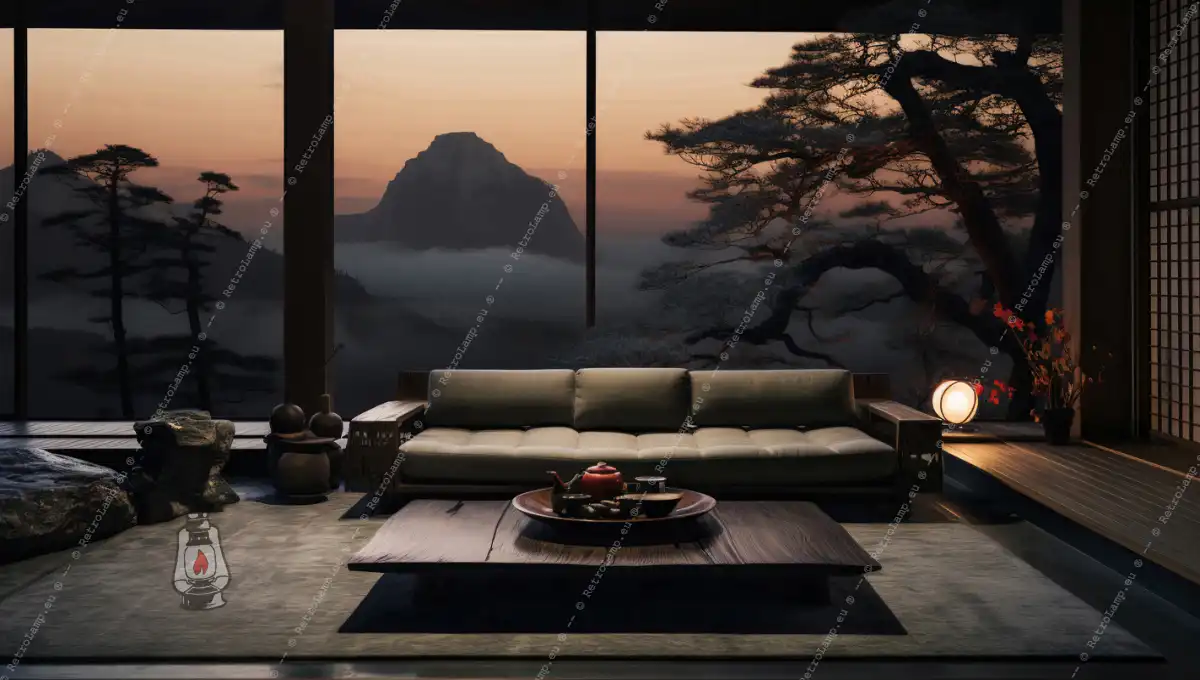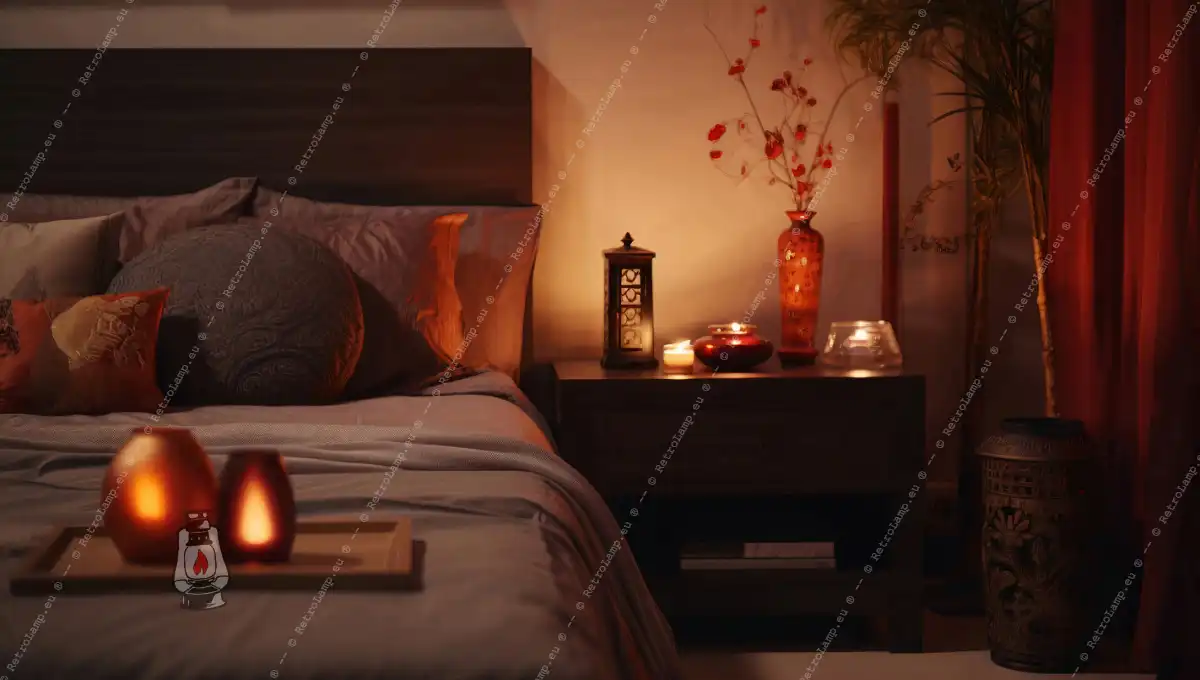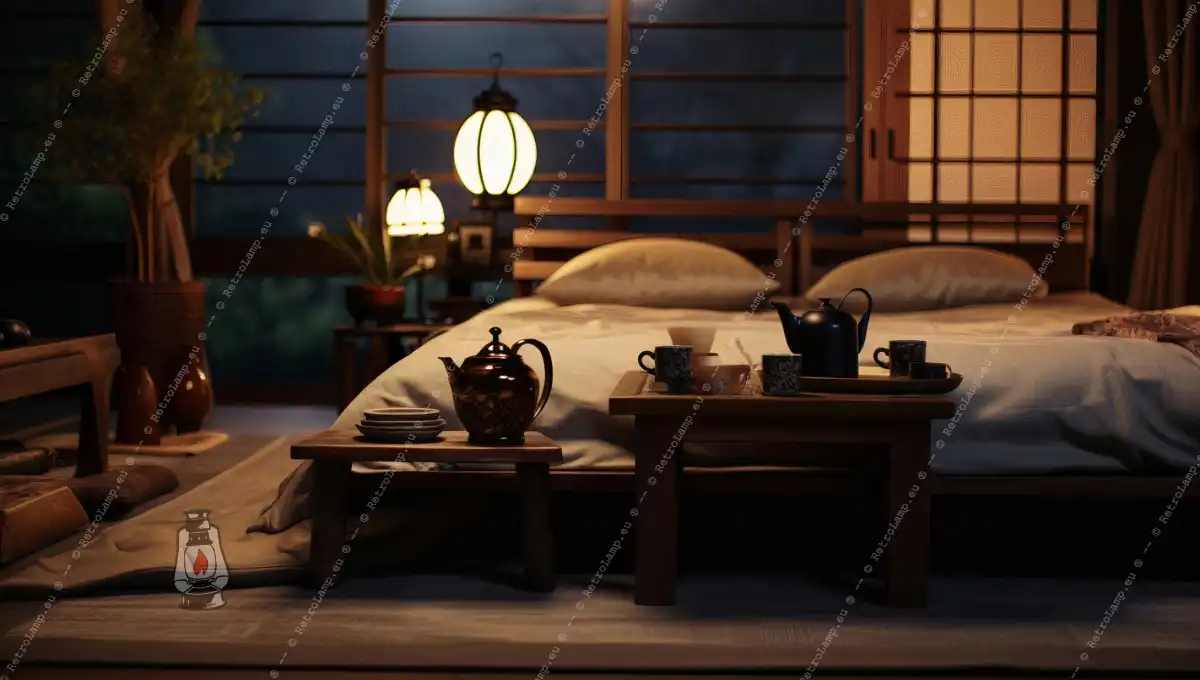
Asian Interiors

A fusion of harmony, nature, and spiritual tranquility

WEBP to JPG Converter

Historical Origins

Asian interior design is a timeless style that reflects tranquility, balance, and a deep connection with nature. Originating from countries like China, Japan, Korea, and Southeast Asia, this style has evolved over centuries while retaining its core principles of harmony and minimalism.

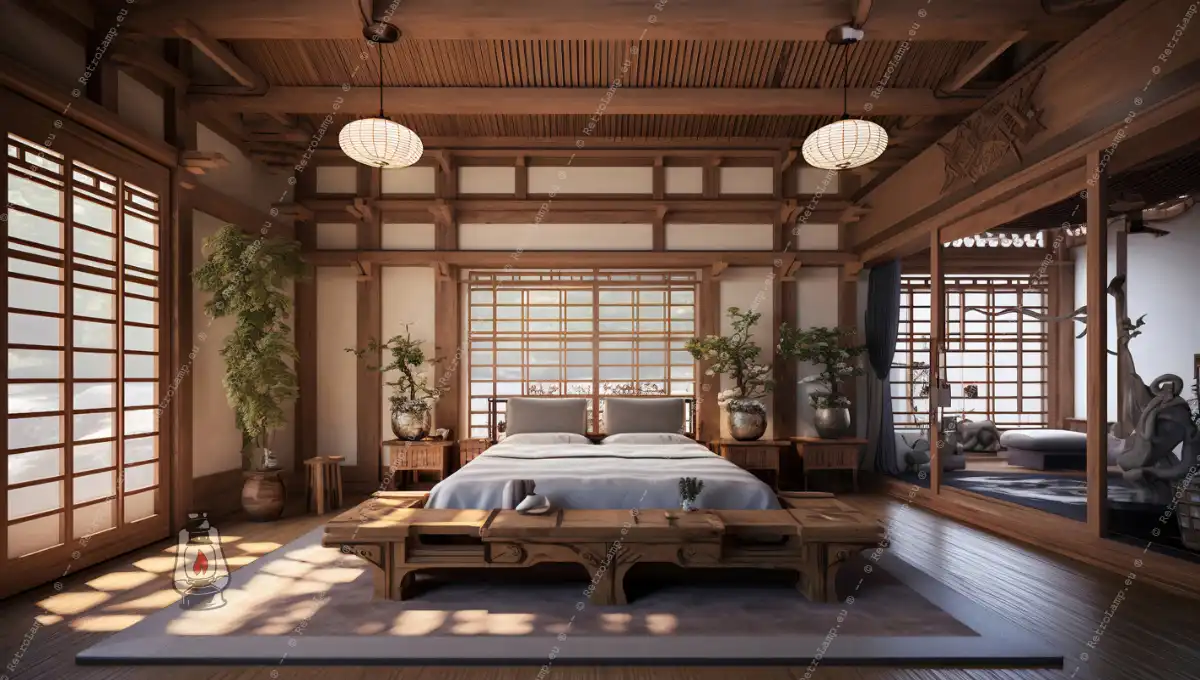
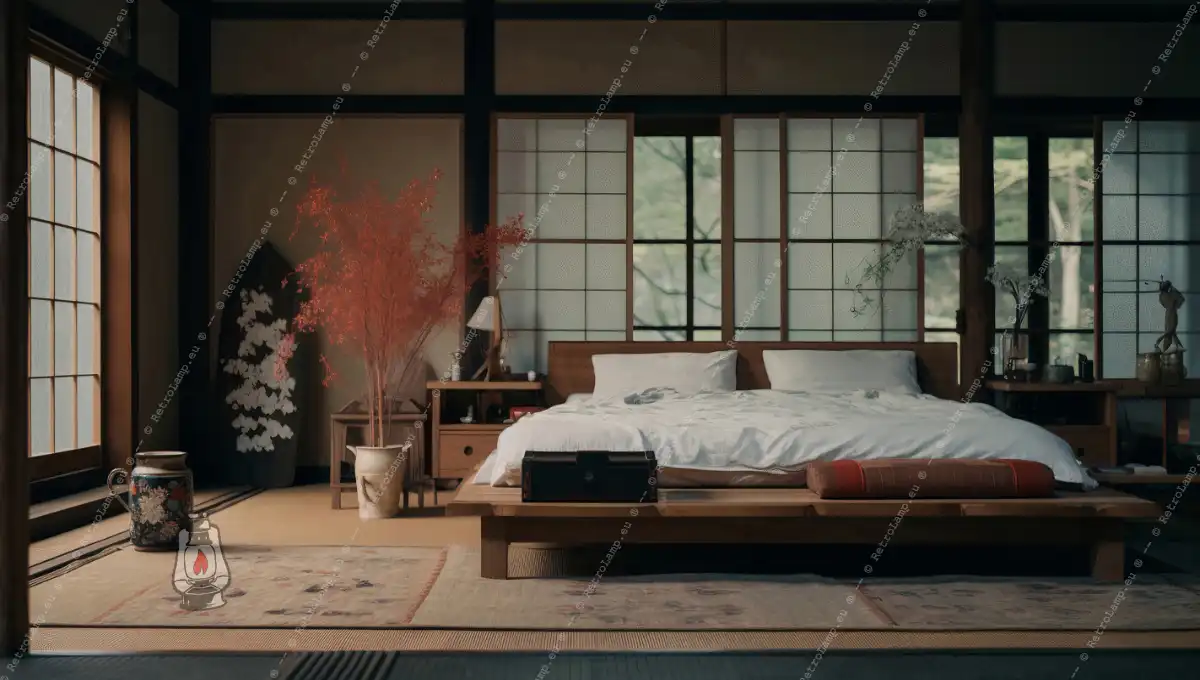
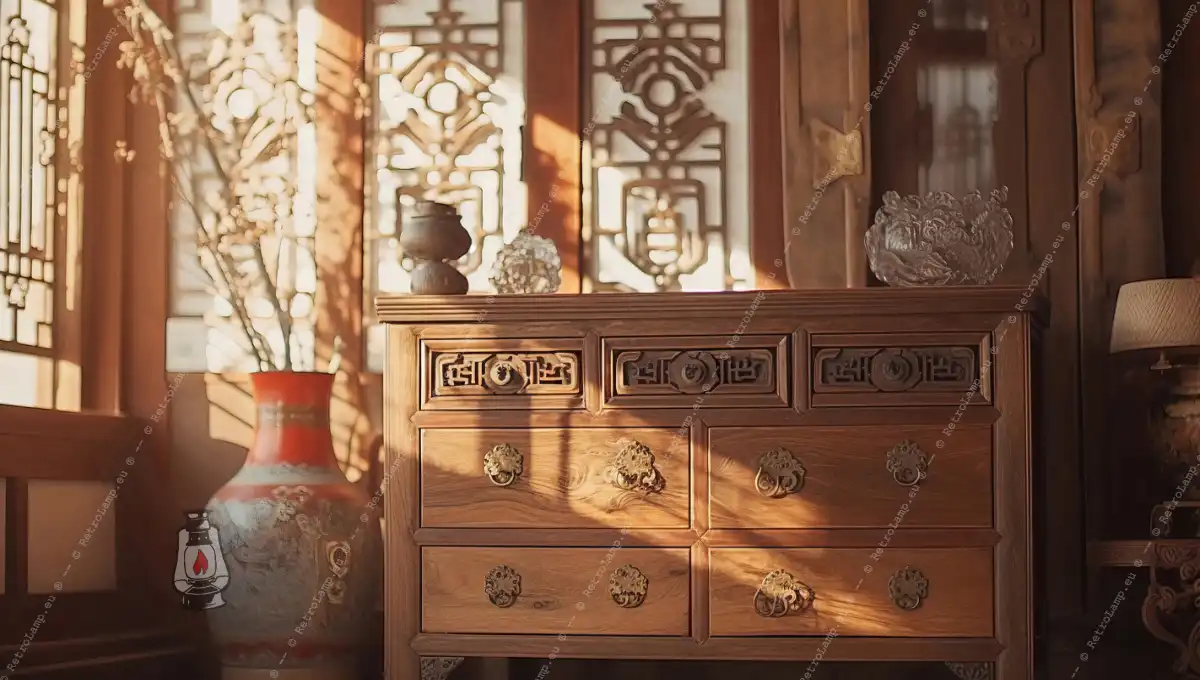
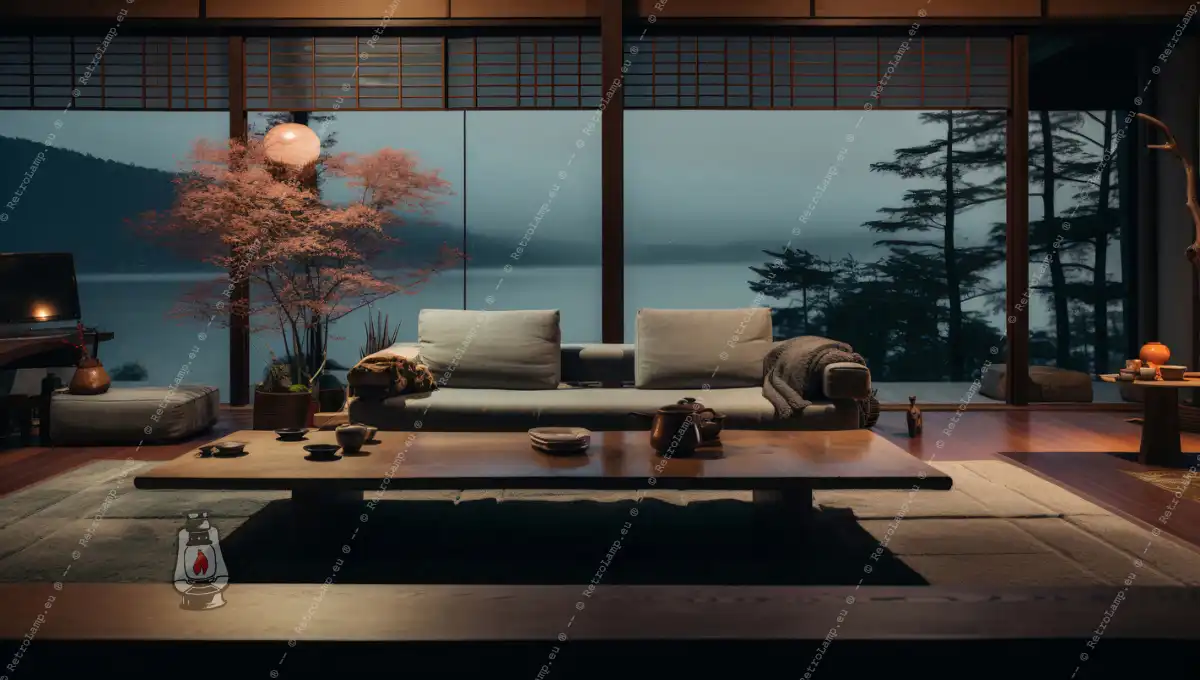
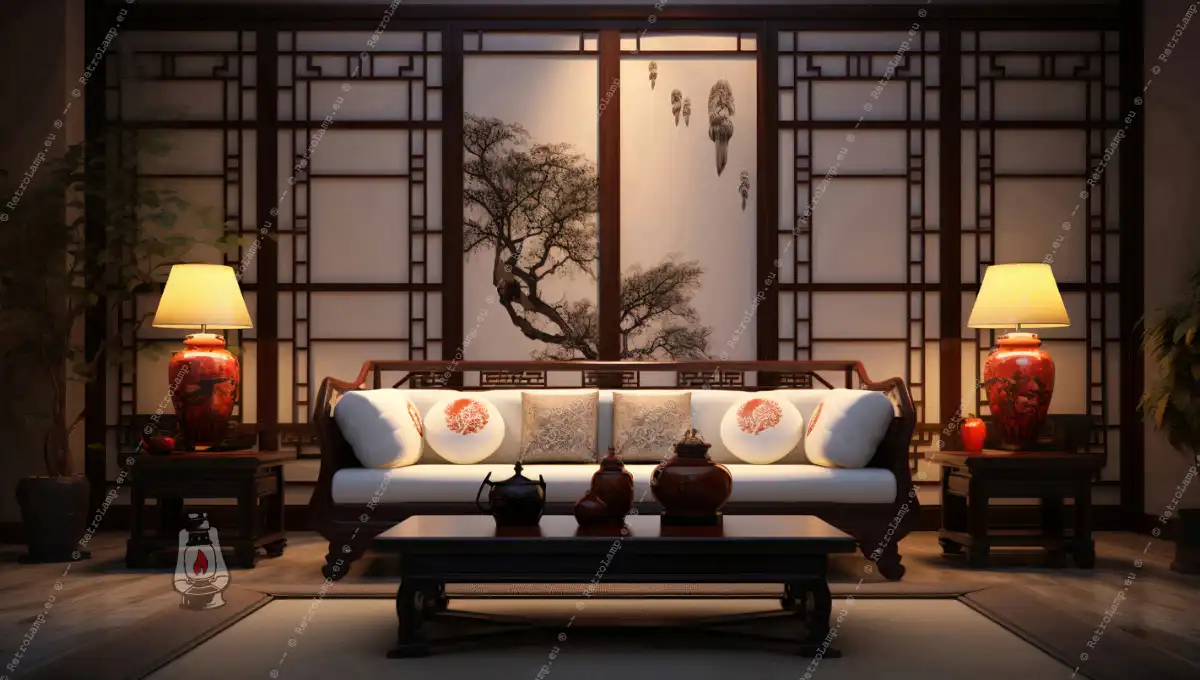
Asian interiors can be traced back to ancient dynasties where art and functionality merged seamlessly. Chinese dynasties such as the Tang and Ming eras emphasized grandeur with intricately carved wooden furniture, while Japan focused on simplicity through tatami mats and sliding doors (shoji).

WEBP to JPG Converter

Global Influence

During the 20th century, Asian design spread globally, often blending with Western styles to create fusion interiors. Post-World War II, the simplicity of Japanese aesthetics like Zen inspired modernist movements worldwide.

Key Elements of Asian Interiors

Furniture

  • Minimalism: Clean lines dominate, with low-profile furniture such as futons and floor cushions.
  • Materials: Use of natural elements like bamboo, teak, and rattan.
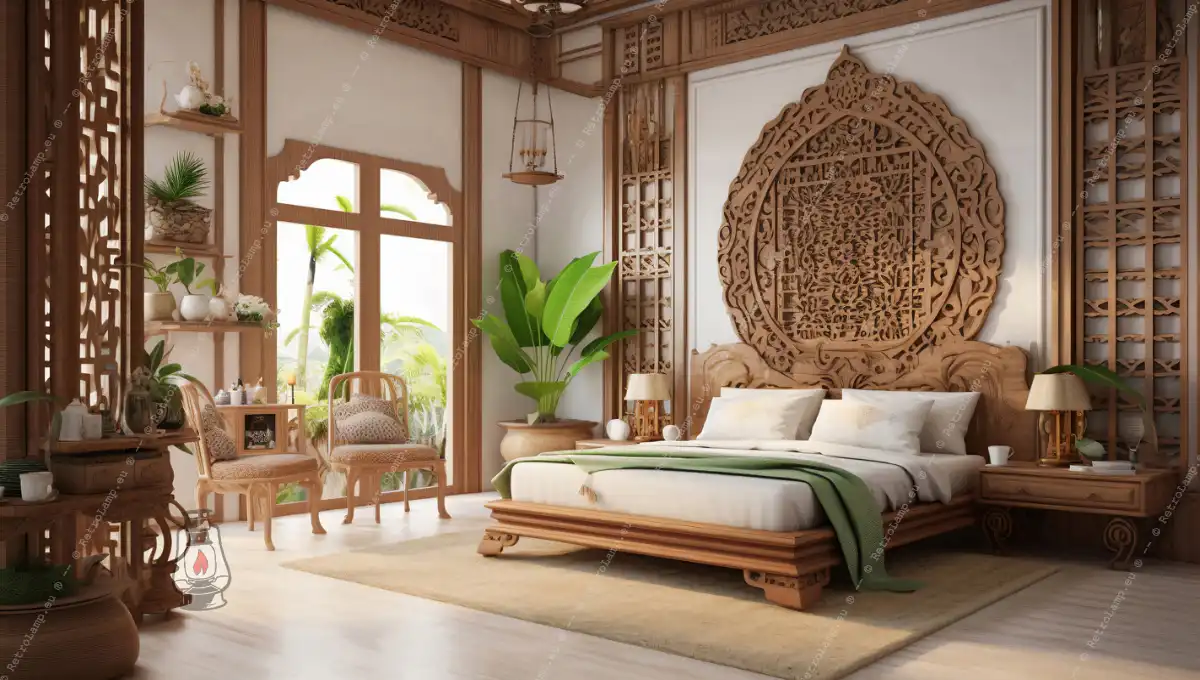
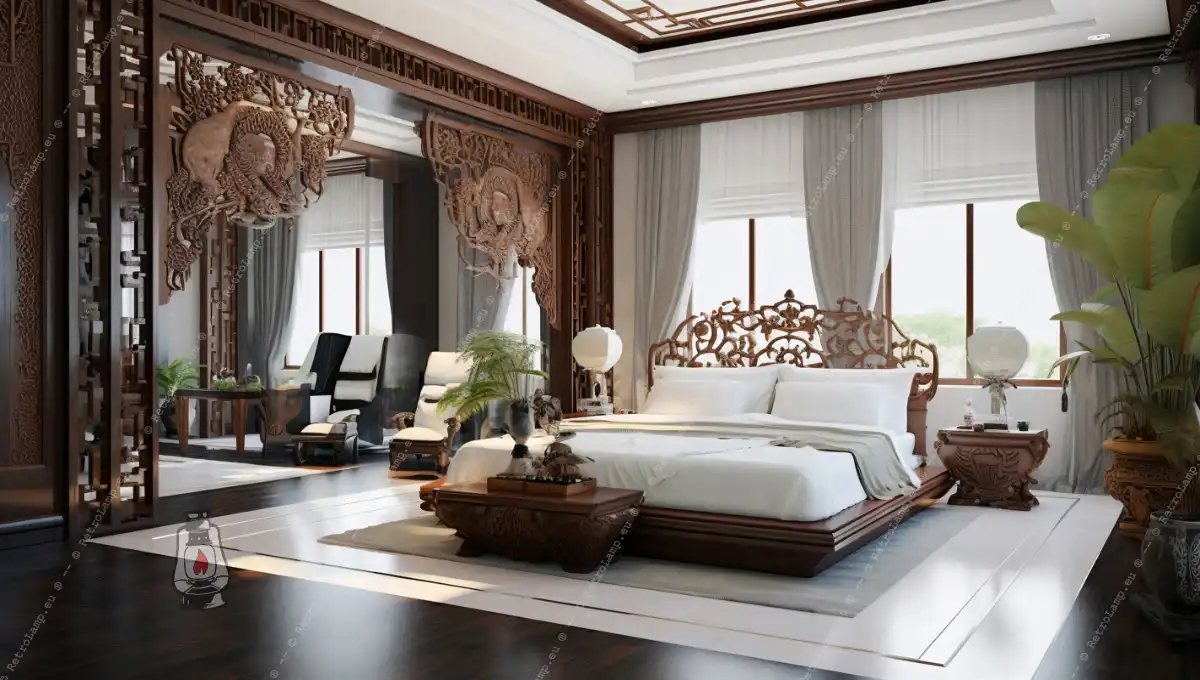
  • Craftsmanship: Handcrafted wooden pieces with intricate carvings are central.

Colors

  • Neutral Palette: Earthy tones like beige, white, and muted greens are common.
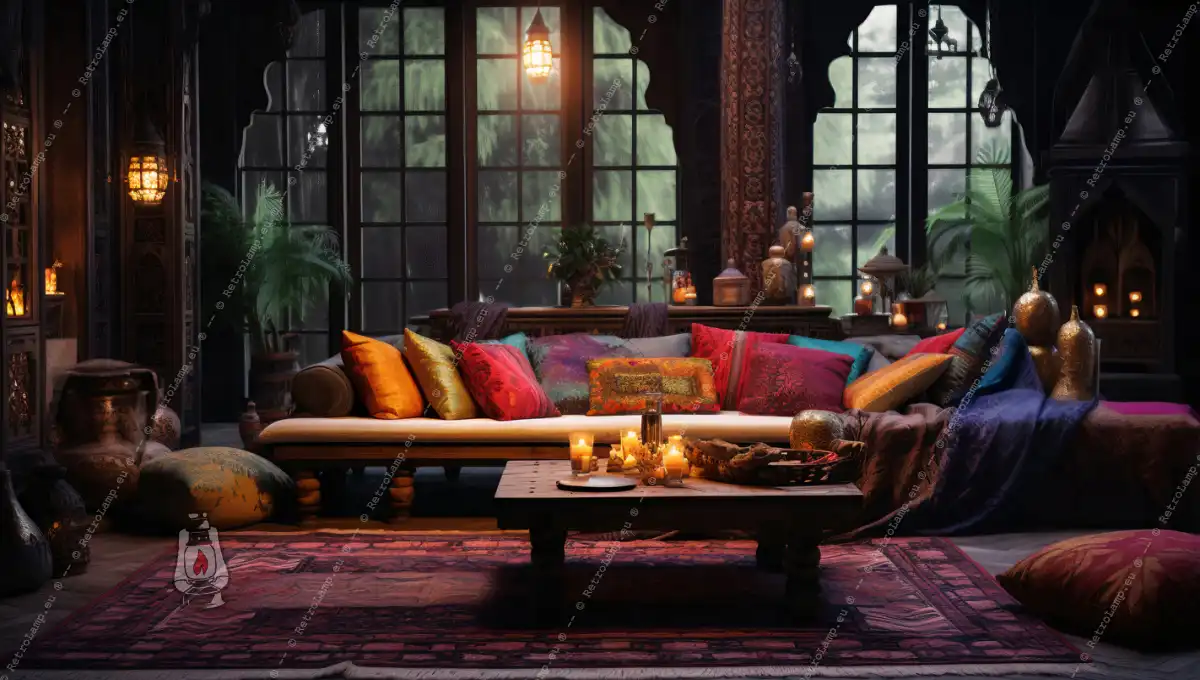
  • Accents: Pops of red, gold, or deep blue to symbolize prosperity and calmness.

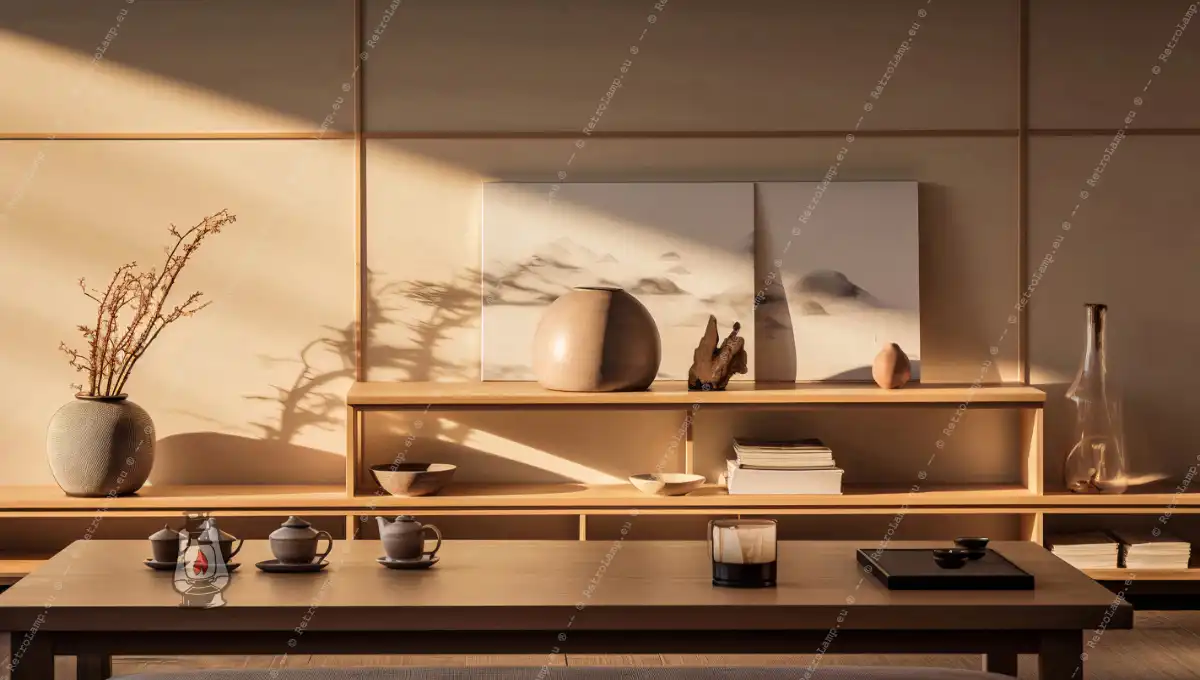
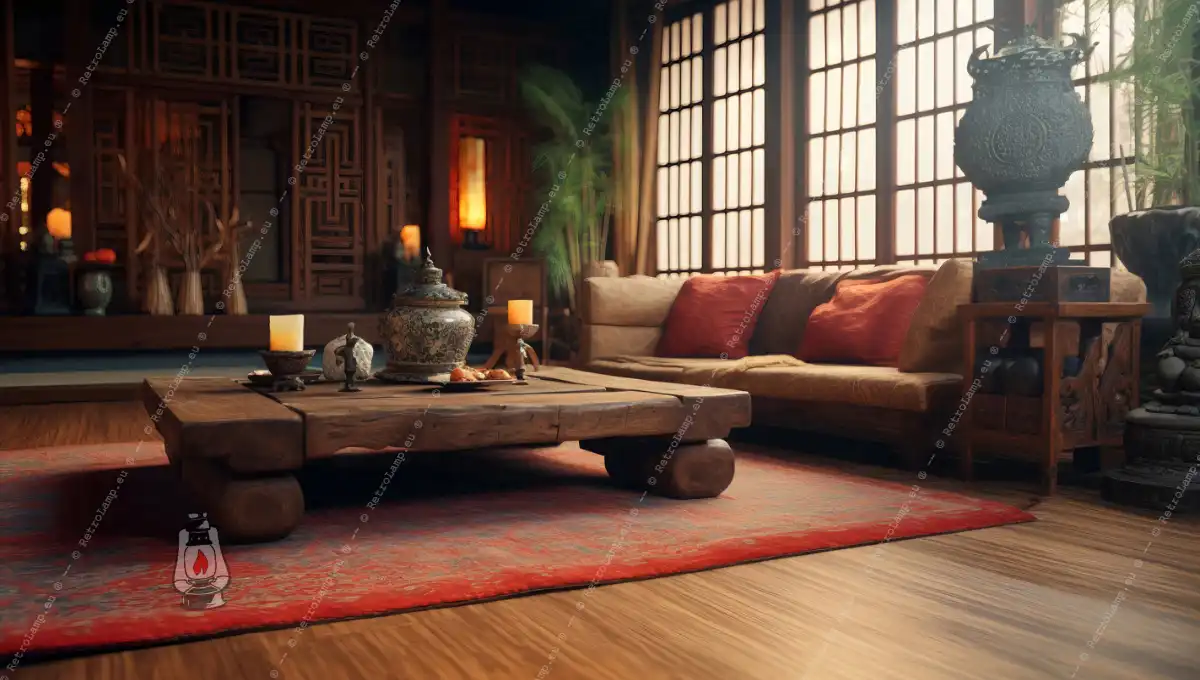
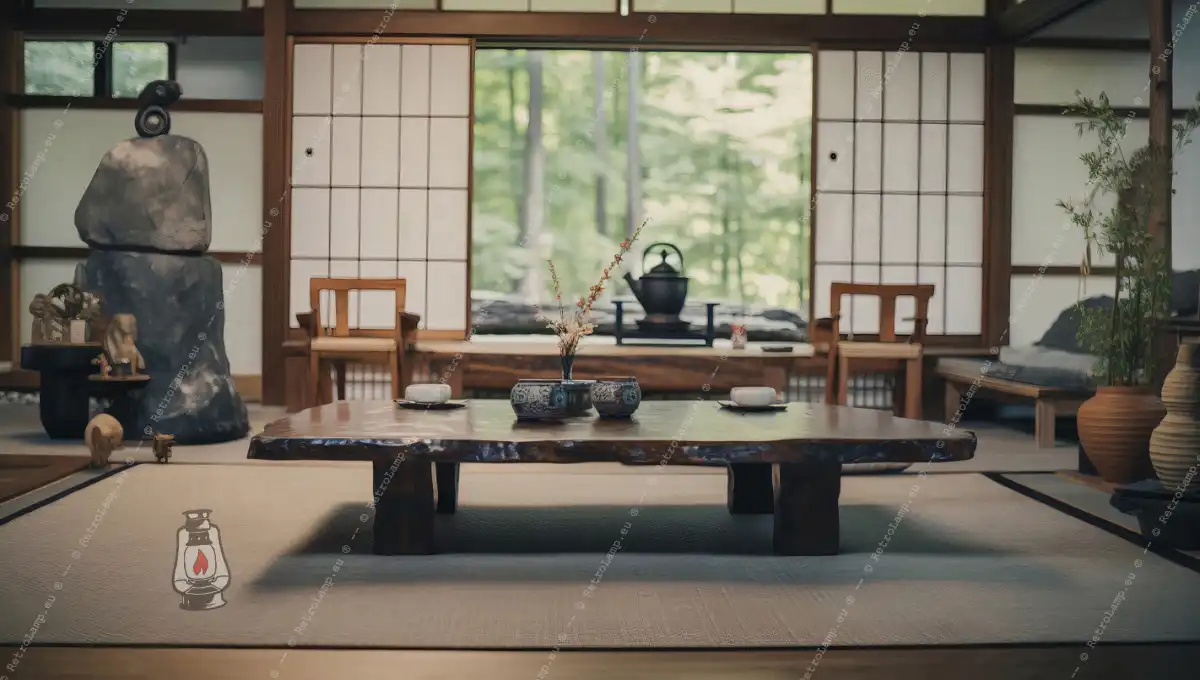
"Living space with bamboo furniture and natural fiber rugs."

Textures and Patterns

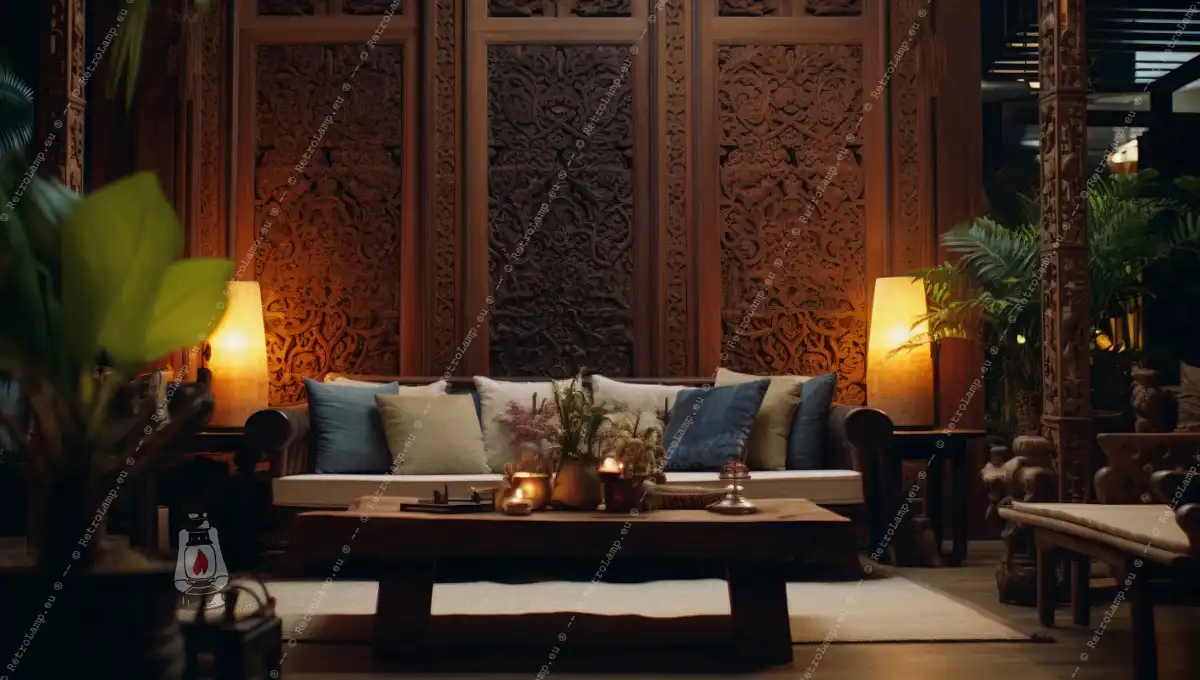
  • Natural Textures: Woven fabrics, silk curtains, and wooden panels.
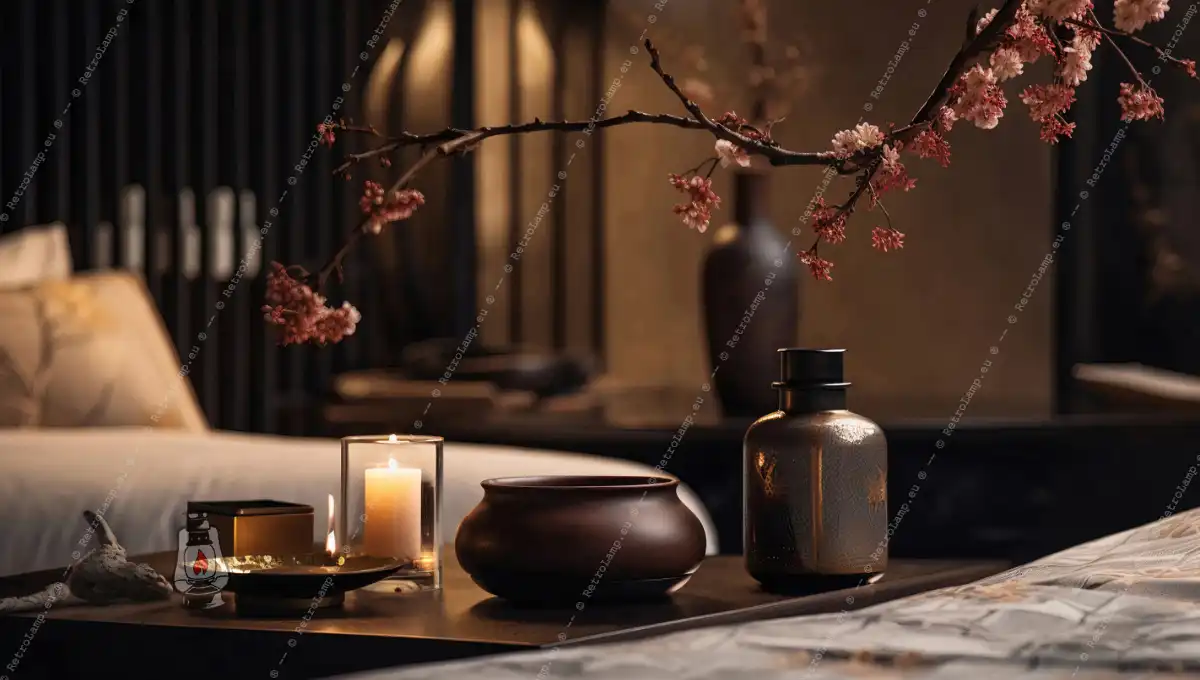
  • Symbolic Patterns: Cherry blossoms, cranes, and dragons often appear in decor.

Lighting

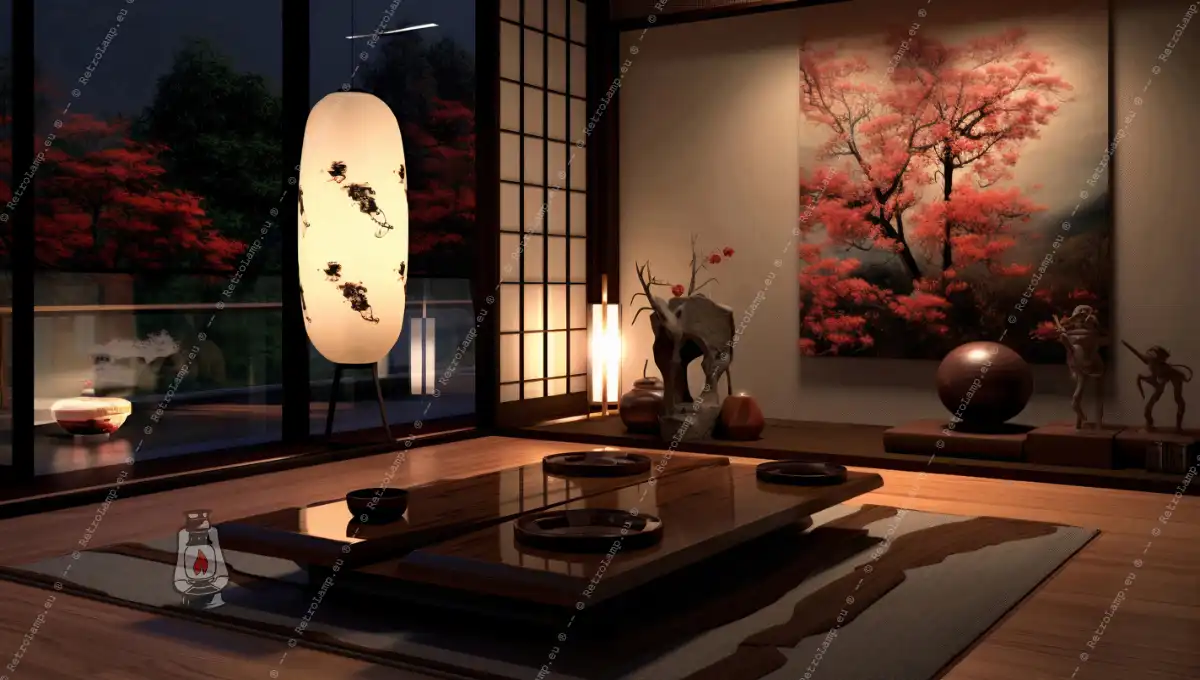
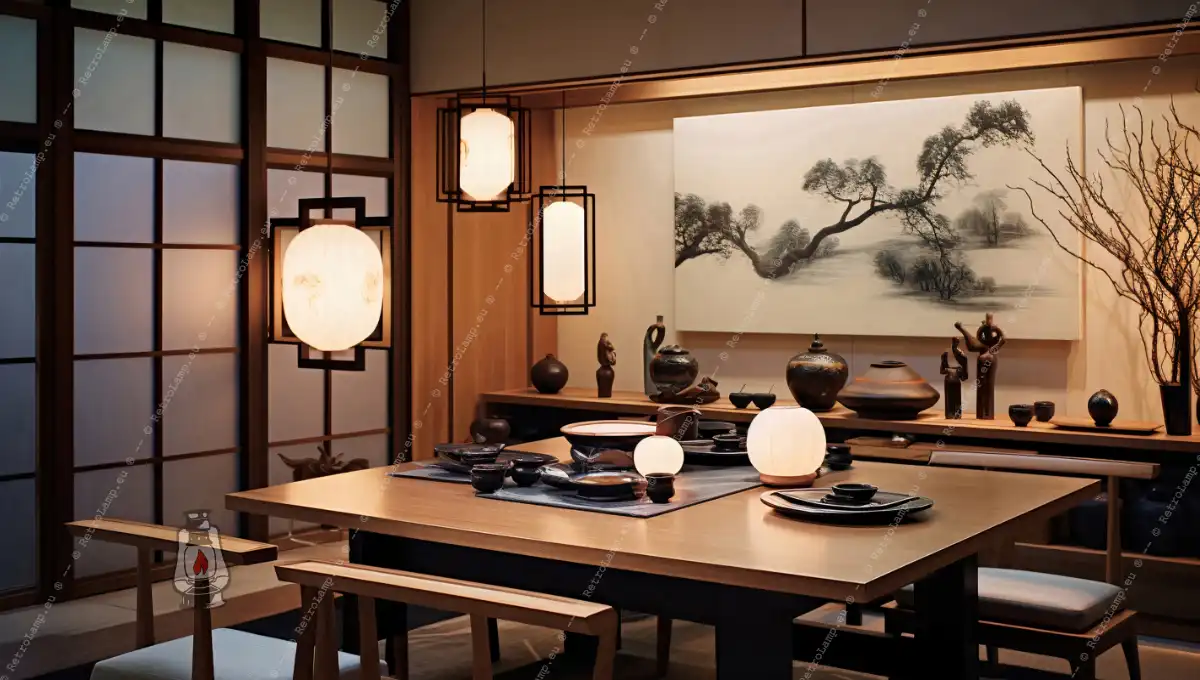
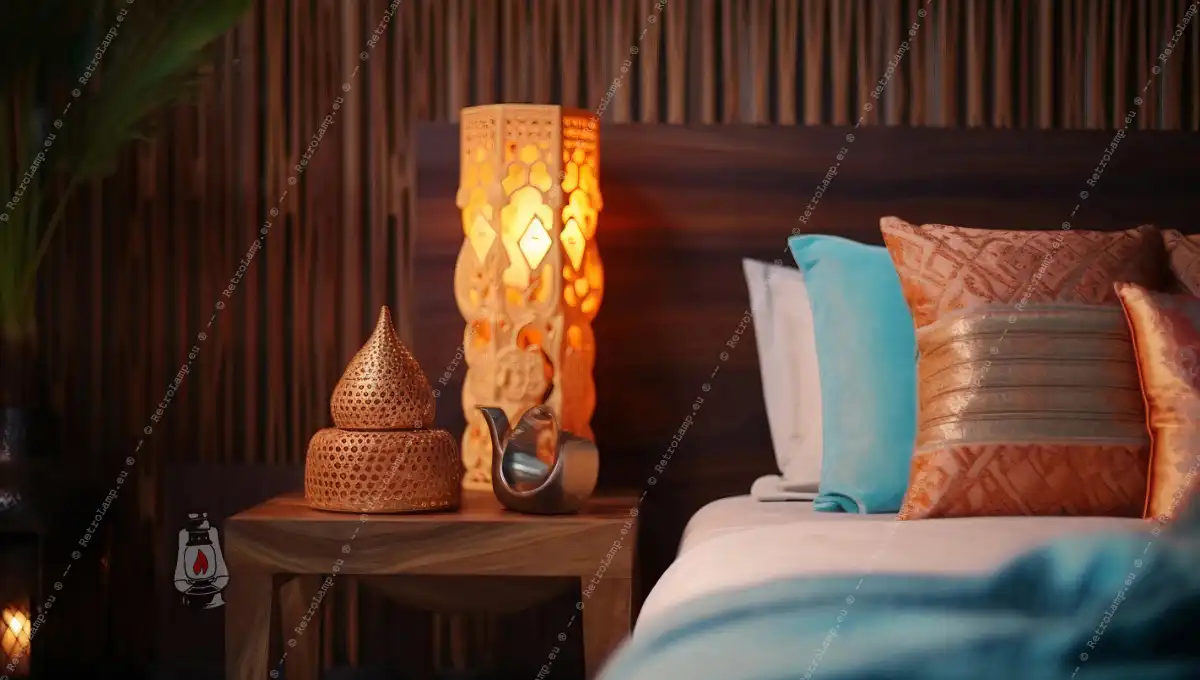
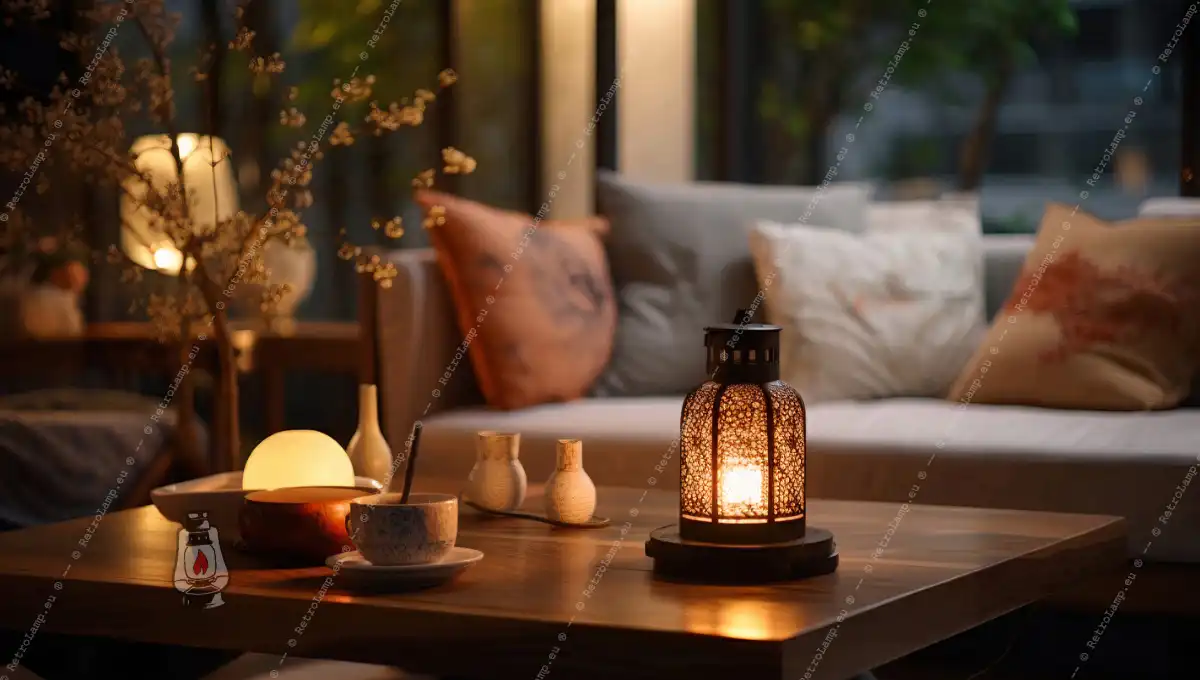
Retro lamps inspired by Asian design are a standout feature. These lamps often incorporate rice paper or lattice patterns, casting warm, diffused light.

"A retro Asian-inspired lamp with a rice paper shade."

Gardens and Water Elements

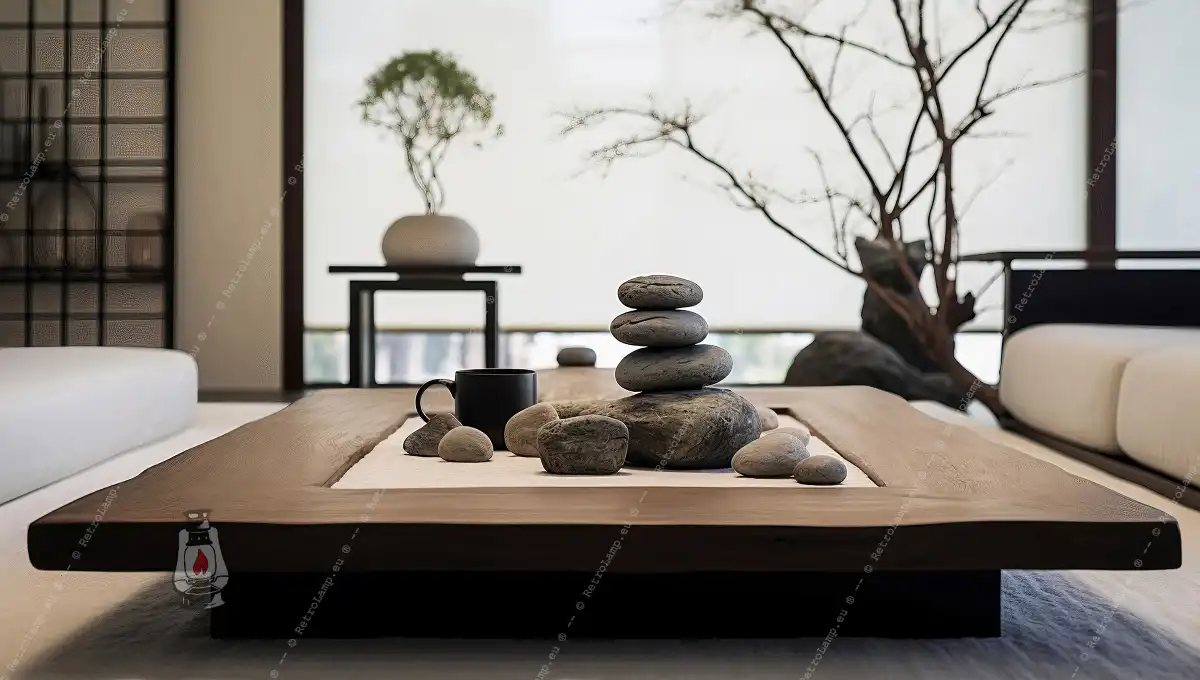
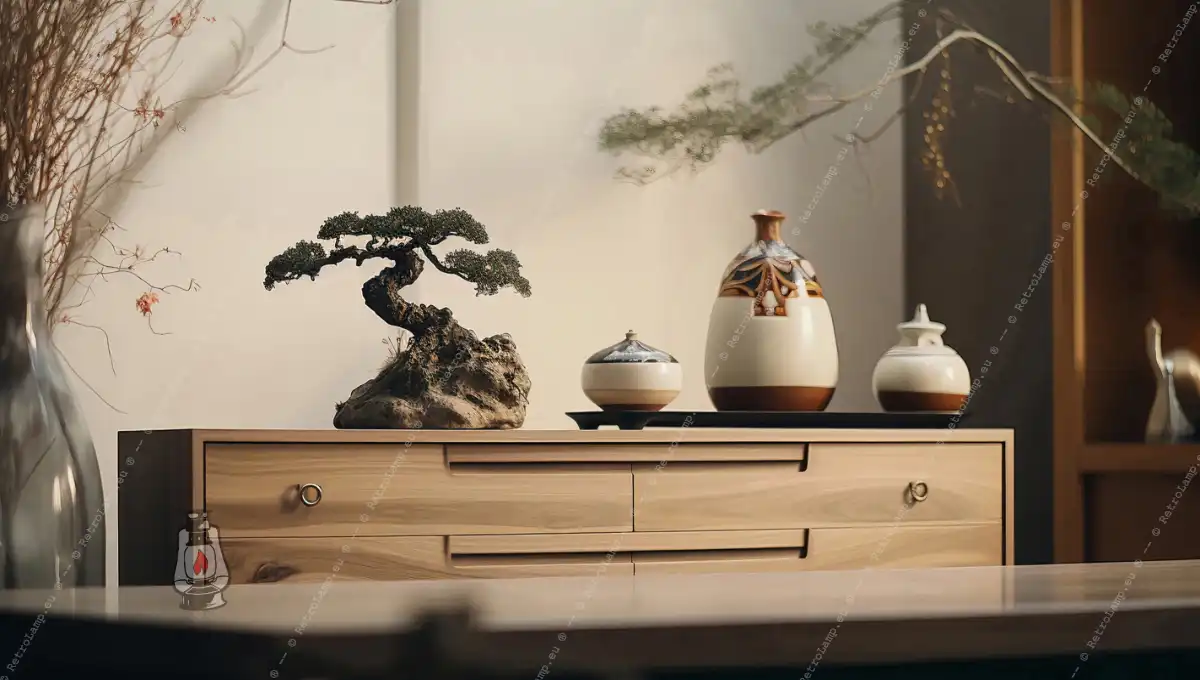
Indoor Zen gardens, water fountains, and bonsai trees create a serene environment.

"Indoor Zen garden with a small stone path and bonsai tree."

Room Dividers

Shoji screens and folding partitions offer privacy while enhancing aesthetics.

"Traditional Shoji screen dividing a modern Asian-inspired space."

Fun Facts and Lesser-Known Details

  • Feng Shui: The placement of furniture and decor follows Feng Shui principles to optimize energy flow.
  • Tatami Floors: These mats are made of woven straw and are still used in traditional Japanese homes.
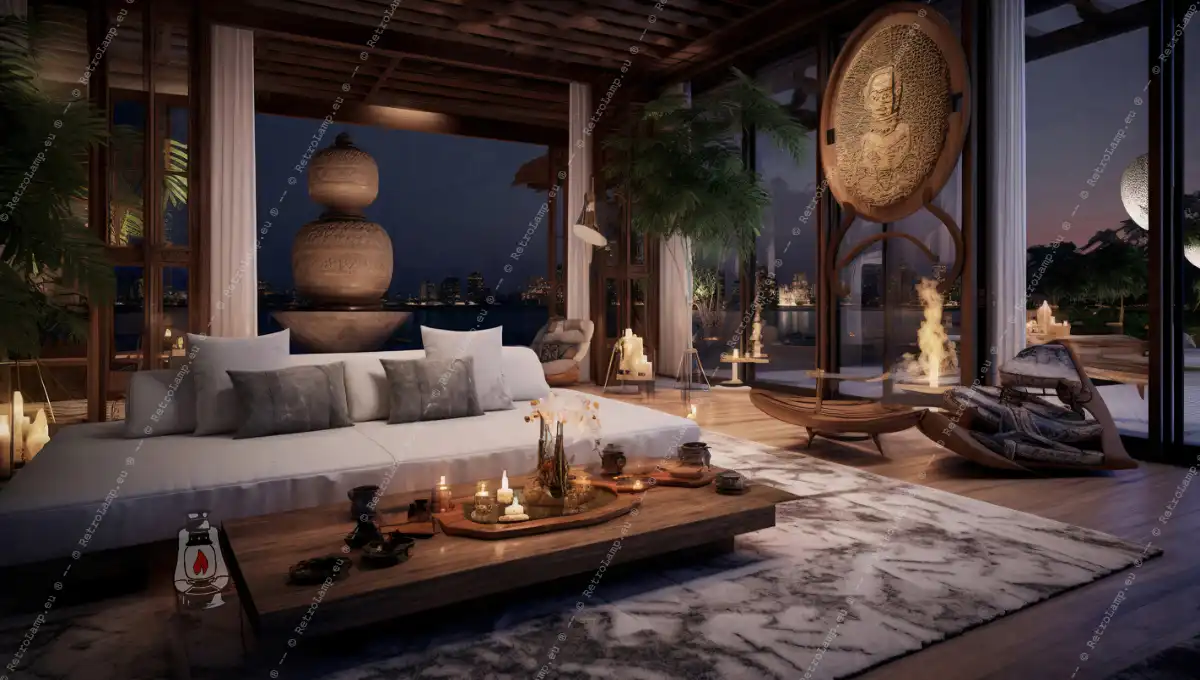
  • Cultural Fusion: Modern Asian interiors often incorporate Scandinavian elements due to their shared minimalist ethos.

"Modern Asian-Scandinavian fusion living room."

Famous Designers and Inspirations

  • Kenzo Tange (Japan): A modern architect known for blending traditional and contemporary aesthetics.
  • Guo Pei (China): While primarily a fashion designer, her designs often influence interior decor.
  • Influential Brands: Companies like Muji and HAY have adopted Asian minimalism for global audiences.

Conclusion

Asian interiors are more than a design style; they are a lifestyle that emphasizes mindfulness, beauty, and simplicity. Whether you incorporate a few key elements or embrace the style fully, it offers a timeless way to create a peaceful and elegant home.

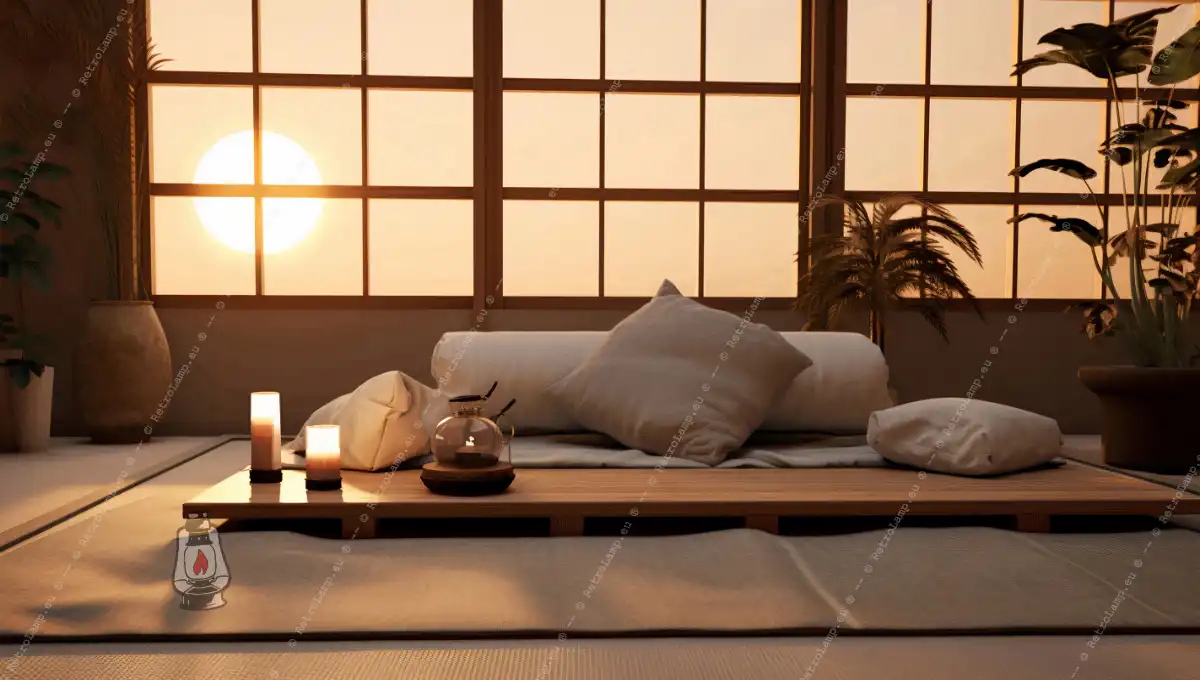
Asian Interiors

Join

Discover the latest galleries.
Special discount for our subscribers and members.

Spread

Come take a look, dive into our book. Explore our content, where fun fire away.
Thank You.
Contact USCopyright © 2026 Retro Lamp
All rights reserved.
linkedin facebook pinterest youtube rss twitter instagram facebook-blank rss-blank linkedin-blank pinterest youtube twitter instagram